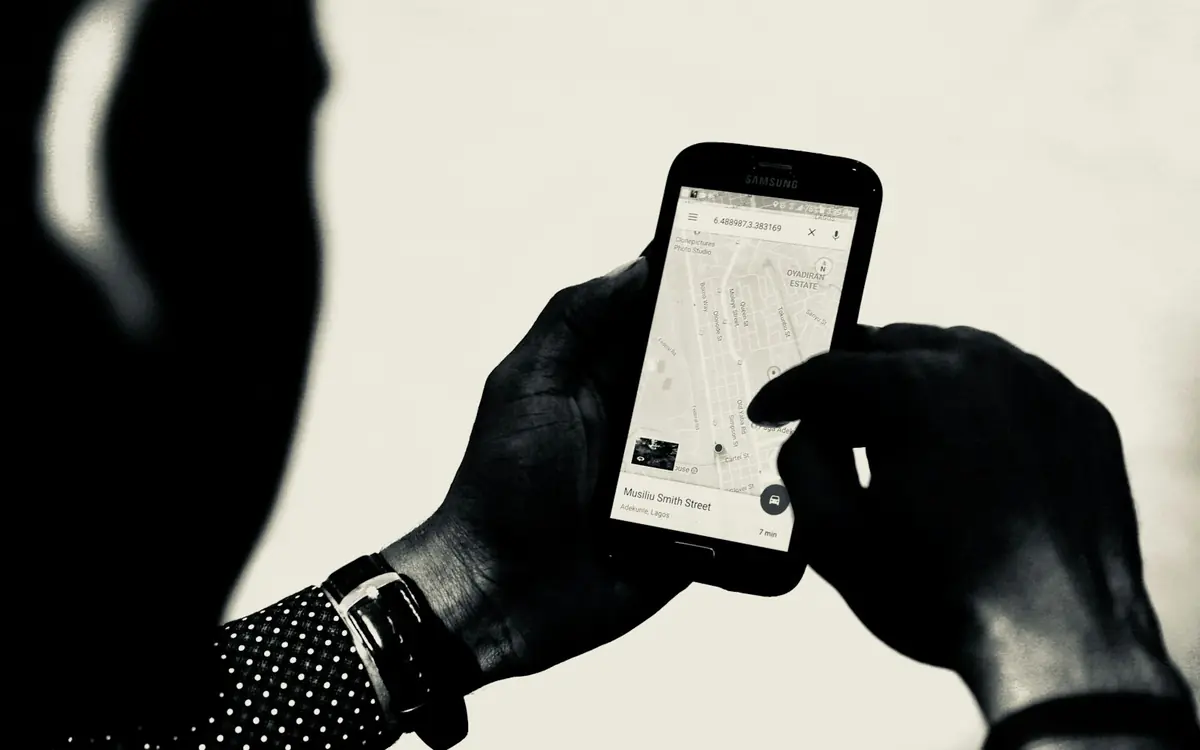
The practice's map listing is health communication just like the website and social media, and the same criterion applies: you can inform, not promote. Name, address, opening hours, telephone, qualifications, description of services, fee, booking link: yes, if truthful and without promotional tones. Offers, discounts, superlatives, patient photos: no. Whoever writes the text on the listing is responsible for what it says, just as if it were the website.
The texts do not mention map listings. Article 56 of the Code of Medical Ethics refers to advertising «disseminated by any means», and paragraph 525 to informational communications without distinguishing the channel. The listing must be read using the same criteria as the website and social media profiles, which you will find in the limits of health advertising.
What the listing does for you
A patient searching for an aesthetic doctor in your area may see the listing before your website: name, street, opening hours, a telephone number, a few photos. What you fill in is your communication. The fields the listing makes available change over time and vary from one practice to another: the criteria below apply to each of them, including those that did not exist when you opened the listing.
Before touching anything, search for the practice's name on the map and read the listing as a patient would read it. Note what does not add up: an old opening time, a changed number, a category that does not describe what you do. That is the first job, and the most useful.
Field by field
| What | How to fill it in | What to avoid |
|---|---|---|
| Name | The one you work under, as it appears in the register and the practice's documents | Words added to be found, slogans, «the best», «number one» |
| Qualifications and specialisations | The ones you have, as they appear in the register (art. 56: professional qualifications and specialisations) | Vague or unverifiable qualifications; specialities you do not hold |
| Address, telephone, opening hours | The real ones, the same as the website and all other listings | «Opening» hours you do not keep |
| Description | Who you are, what activity you carry out, how a consultation unfolds, in a sober tone | «Guaranteed results», «discover your new face», any promise of an outcome |
| Services | The name of the treatment and a line saying what it is, who it is indicated for and with what limits | Promotional prices, «first treatment discounted», packages with deadlines |
| Fee | Permitted by art. 56, communicated clearly (art. 54 requires it to be told to the patient beforehand) | Fees conditional on the result; figures that do not match the fee the patient is told |
| Photos | The premises, the waiting room, the rooms | Patients, screens with data, visible records, before and after |
| Link | The booking page or the practice's public listing | Pages with offers |
Name, qualifications and specialities
The Code of Medical Ethics (art. 56) states that health advertising covers «exclusively» professional qualifications and specialisations, the professional activity, the characteristics of the service and the fee, and that it must be truthful, correct, never equivocal, misleading or denigratory. For the listing this means that the name is your name, and that the category and specialities you indicate correspond to those you hold. Comparison with others is permitted only with measurable clinical indicators, certain and shared by the scientific community: a «best in the city» does not have them.
Description and services
Here the temptation is to write to be chosen. Paragraph 525 excludes elements «attractive and suggestive» that could lead to improper recourse to treatments. An informational description answers what the patient asks before telephoning:
- what treatments you do and what they are, in simple words;
- how the first consultation unfolds and how long it lasts;
- what limits and what risks a treatment has, in an accessible and prudent manner (art. 55);
- where you are, when you see patients, how to book.
Listing services with one sentence each is information. Putting next to it a discounted price, a «this month only» or a bonus for bringing a friend is the offer that paragraph 525 names. Even when the channel seems more informal to you, the text remains yours.
Photos: the premises, not the patients
The photos on the listing are the ones the patient looks at before deciding. Rooms, the entrance, the waiting room, the equipment (if you present them for what they are) are fine. Check every image to see what is in the background: a screen with a diary, a record open on a desk, a name on a sheet of paper are patient information.
Photos of patients, and before and after ones, do not belong in a generic gallery: they require separate explicit consent and a criterion of truthfulness, as explained in before and after photos on social media. If you do not yet have that consent, the listing is not the place to try.
The booking link
Putting a link to booking turns the listing into a useful step: the patient who has decided does not have to look for the telephone number. In Fibonacci every practice has a public listing reachable without credentials, with where you are, what you do, opening hours and contact details, designed to be shared: you can put it on the website, in your email signature and on the map listing. The patient chooses a free slot and books; the request arrives in your diary, and the slots they choose from come from the availability hours you set for each doctor. The confirmation is sent by email, and by SMS if the channel is configured.
Fibonacci's public listing says what you declare and hosts no reviews or rankings: if a field on the map listing says one thing and your listing another, you have two communications that do not match, and you are the one who answers for it. Keep opening hours and contact details the same everywhere.
What must not be included
- Offers, discounts, promotions, deadlines (paragraph 525).
- Superlatives and comparisons with other practices (art. 56).
- Promises of results and phrases that feed illusory expectations (arts. 55 and 56).
- A fee that depends on the outcome (art. 54).
- Photos or data of patients, even unintentional ones.
- Qualifications or specialities you do not have.
As for testimonials and patients' texts, neither text mentions them: the same criteria apply (truthful, not attractive), and in doubt ask your provincial Medical Council, which is the body that verifies (art. 56 and paragraph 536).
After filling it in
Take a screenshot of the listing with the date and keep it: if the Council asks you what was published at a certain moment, you have the answer. Recheck opening hours and contact details whenever the practice changes, and every so often search for the practice's name to see what a patient sees.
How to reply to someone who writes a review, without confirming that they are a patient, is in replying to reviews.
A checklist to copy
- Name, qualifications and specialities: true and verifiable in the register
- Address, telephone and opening hours the same as those on the website
- Sober description, with no promises or superlatives
- Services listed with an informational sentence, with no promotional prices
- Photos of the premises, no patient, no screen with data
- Link to booking or the practice's public listing
- Dated screenshot kept