Treatment guide
What to know about fractional CO2 laser before having it
How fractional CO2 laser works on sun damage, fine lines and scars, how long healing takes and why phototype matters.
Whether it is suitable for you, and at what dose, is decided by the doctor after examining you.
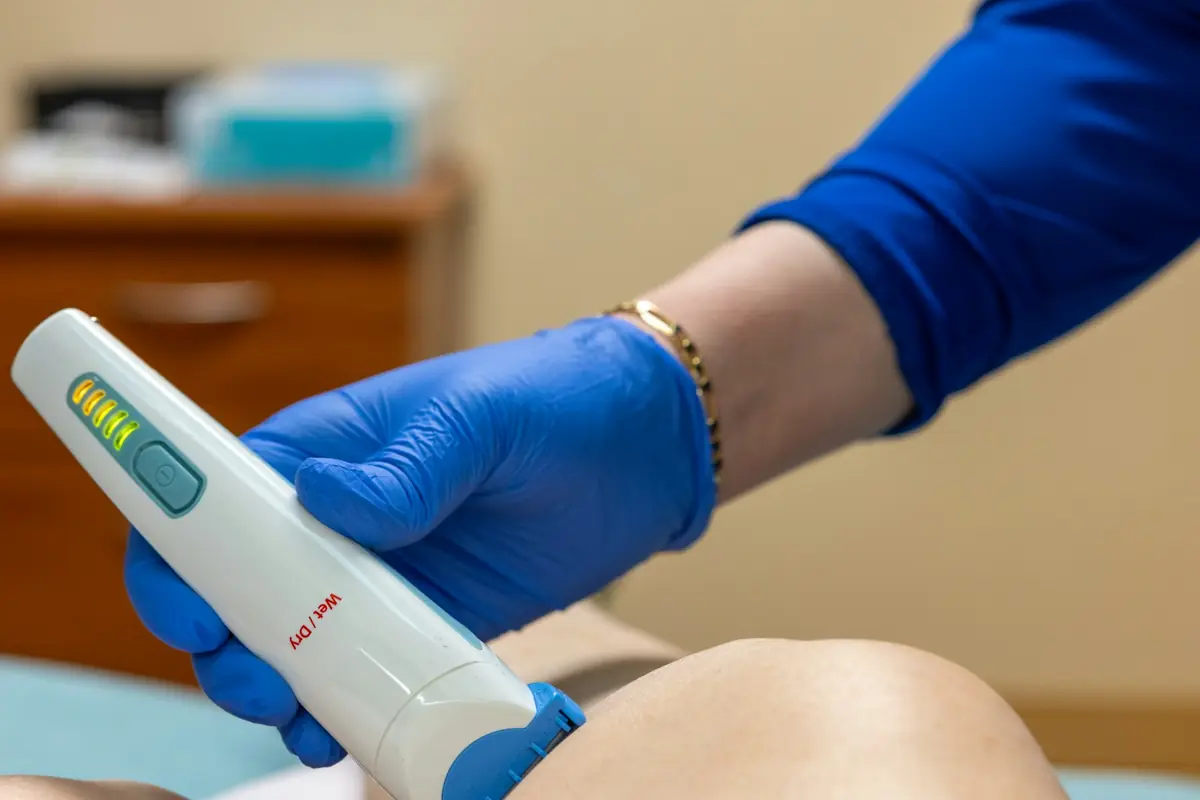

What happens, from the visit onward
- The visitThe doctor examines you and decides with you whether and how to do it.
- The sessionThe skin closes up in 6-7 days
- When you see itAfter healing
What it is
It is a laser that removes very thin layers of skin, in small columns, so that the skin renews itself and produces collagen. It is used for sun damage, fine lines and scars, including acne scars.
How it is done
First the doctor assesses your phototype, meaning how your skin reacts to the sun: it matters for the risk of dark spots and for adjusting the laser. They usually prescribe an antiviral against herpes to start the day before or the same morning.
When you see the result and how long it lasts
The skin closes up in 6-7 days. Redness, peeling and delicate skin can last up to three months.
What to do afterwards
In the first 48 hours, ointments or dressings as the doctor instructs. Then follow-up visits: they are needed to recognize an infection or a change in skin color early.
What is normal in the days afterwards
Scabs and some serous fluid in the first days, redness. Small white bumps or a few pimples may appear. Darker spots, if they appear, usually go away on their own.
Call the doctor straight away if
Herpes blisters, pus, increasing pain or fever: call the doctor immediately. An infection slows healing and can leave scars.
What to tell the doctor beforehand
With active acne, open wounds or an ongoing infection, especially herpes, treatment is postponed. Tell the doctor if you get cold sores.
Who does it and where
The laser must be adjusted to your skin, and that is why the visit beforehand matters. In Europe, laser devices for skin rejuvenation fall under the medical devices regulation (EU Regulation 2017/745, Annex XVI).
Questions to ask at your visit
Bring them with you, written down or on your phone.
- With my phototype, what risk of dark spots do I have?
- How many days will I have to stay at home?
- Will you prescribe the antiviral beforehand?
- How many sessions are needed, and how far apart?

The next step
The practices that offer it
Among the published practices, none lists it yet. You can search by city or by doctor's name.
Sources
The sources are scientific societies, literature reviews and the European regulation. They open on the original websites.
- StatPearls, Laser Carbon Dioxide Resurfacing
- Regolamento (UE) 2017/745 sui dispositivi medici, allegato XVI
Updated on 15 November 2026.
The other guides
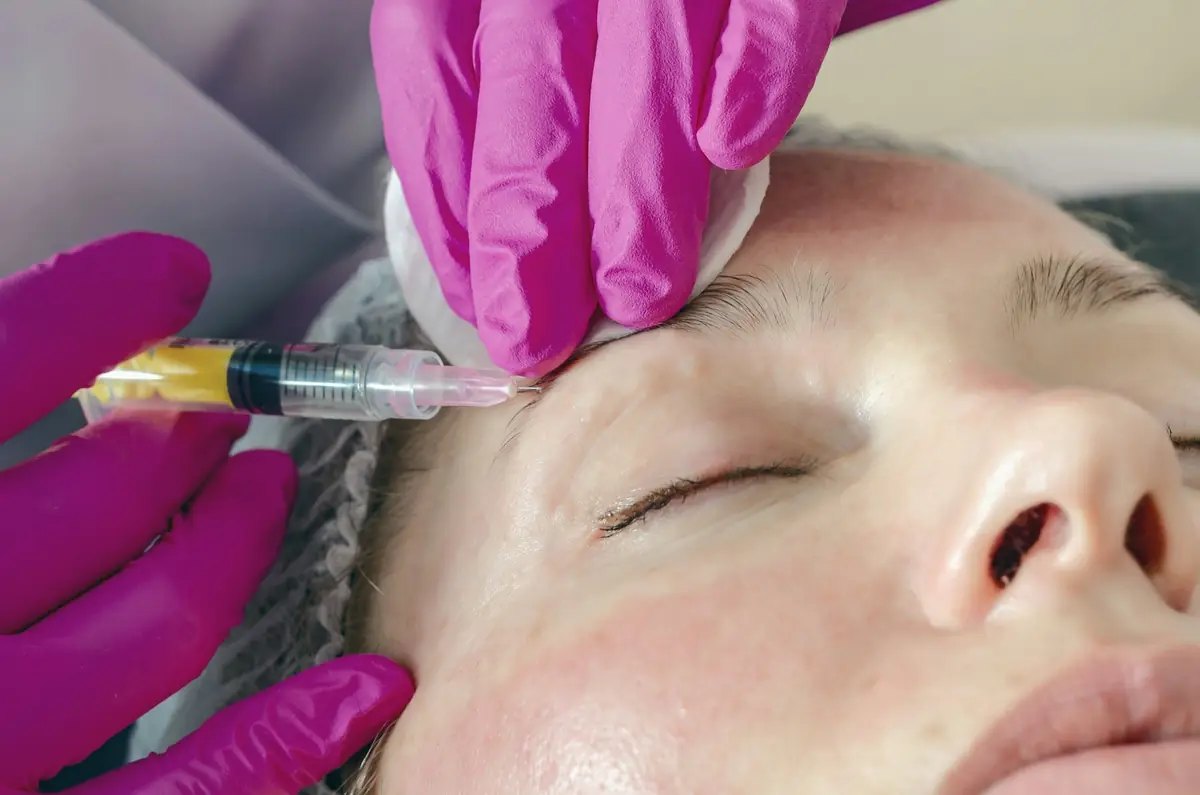
Botulinum toxin
How botulinum toxin works on expression lines, when you see the effect, how long it lasts and which signs to tell the doctor about straight away.
- When you see it
- From day 3 to day 7
- How long it lasts
- 3 to 4 months
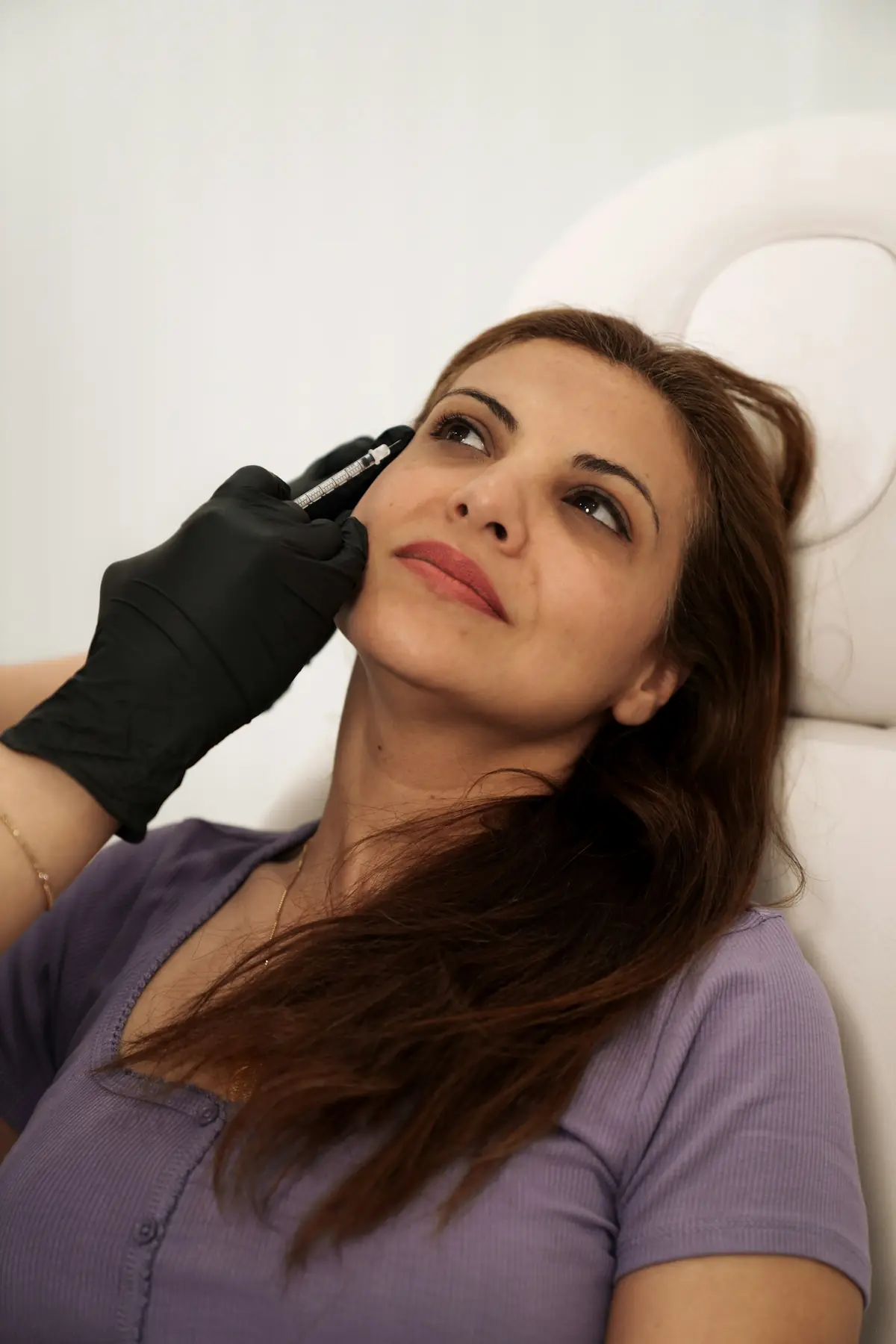
Hyaluronic acid filler
What hyaluronic acid filler does, how long it lasts in different areas, what is normal in the days afterward and which signs mean calling the doctor right away.
- When you see it
- Immediately
- How long it lasts
- 4 to 12 months
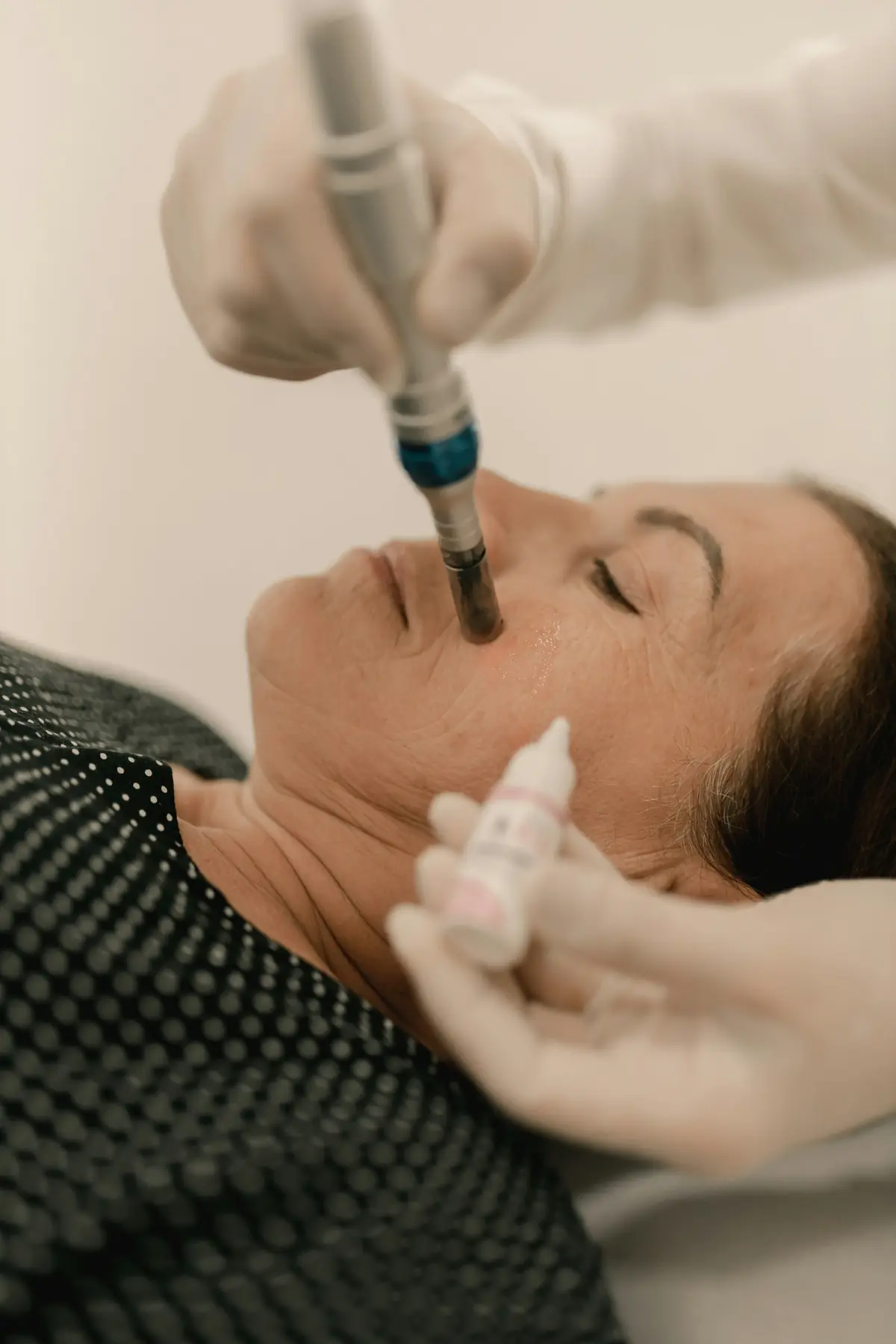
Collagen biostimulators
Poly-L-lactic acid and calcium hydroxyapatite: how they stimulate collagen, when you see the result, how long it lasts and what to do afterward.
- When you see it
- From right away to 3 weeks
- How long it lasts
- From 6 months to 3 years
Chemical peel
Superficial, medium, or deep: what changes in healing times, how many sessions are needed, and how to care for your skin after a chemical peel.
- When you see it
- When the skin has healed
- Recovery
- From 1 to 21 days