Treatment guide
What to know about a chemical peel before you have one
Superficial, medium, or deep: what changes in healing times, how many sessions are needed, and how to care for your skin after a chemical peel.
Whether it is suitable for you, and at what dose, is decided by the doctor after examining you.
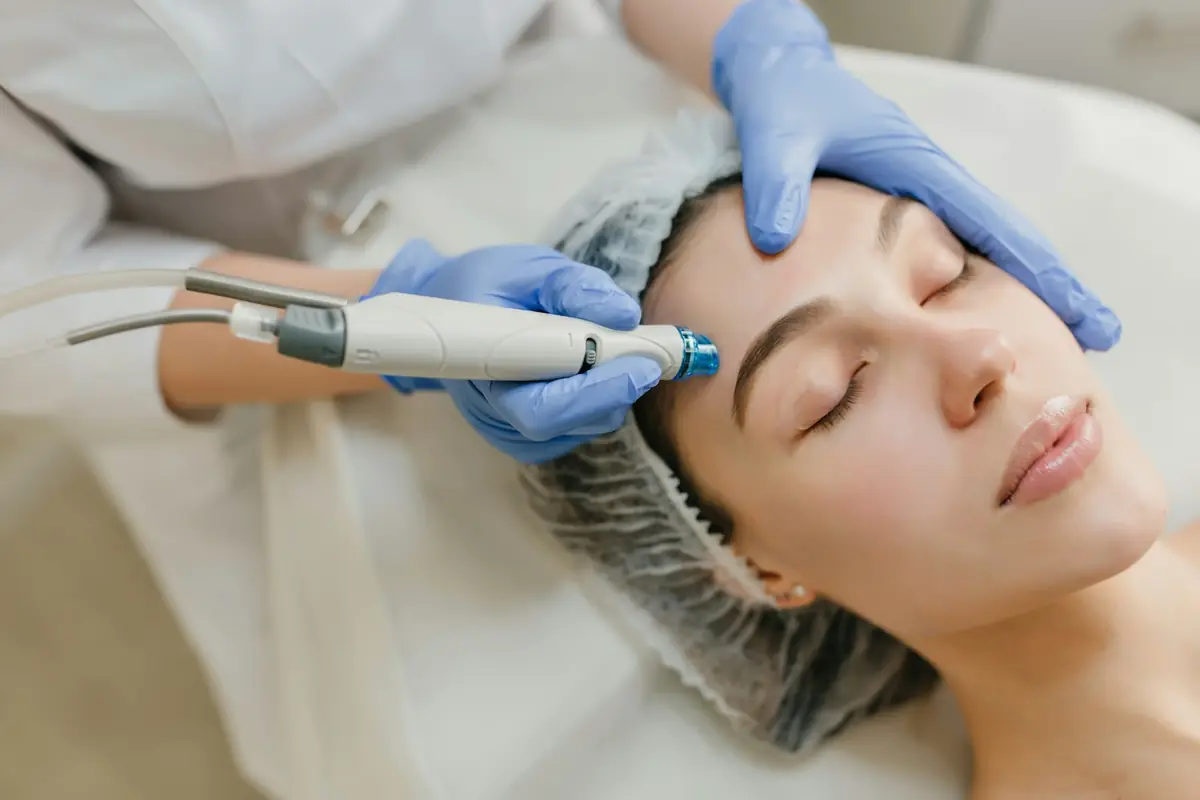

What happens, from the visit onward
- The visitThe doctor examines you and decides with you whether and how to do it.
- The sessionFrom 1 to 21 days
- When you see itWhen the skin has healed
- SessionsFrom 3 to 5 if light
What it is
The doctor spreads a solution on the skin that removes its outer layers, and the skin then renews itself. There are three depths: superficial, medium, and deep, with very different healing times.
How it is done
The skin is thoroughly cleansed, then the doctor applies the solution and leaves it on for the set time. Deep peels are done under general anesthesia.
When you see the result and how long it lasts
You see it when the skin has healed: from one day for a light peel to two weeks or more for a deep one. With a light peel, you often need 3 to 5 sessions, every 2-5 weeks. The result is not permanent, because the skin keeps aging.
What to do afterwards
Cream or lotion until the skin heals, then sunscreen every day. No tanning beds. Do not scratch or pick off the scabs. After a medium peel there are daily compresses, an antiviral for 10-14 days, and a follow-up visit.
What is normal in the days afterwards
Light peel: red skin for a few days, then peeling for 3-7 days. Medium peel: red and swollen skin, swelling increases for 48 hours, blisters may form, and the skin peels off in 7-14 days. Makeup can be applied after 5-7 days.
Call the doctor straight away if
If your skin burns, itches, or swells more than you were told, call the doctor. Scratching it can lead to an infection and, rarely, a scar.
What to tell the doctor beforehand
Tell the doctor if you take or have taken isotretinoin for acne, which medications you use, including antibiotics and aspirin, if you get cold sores, and which treatments you have already had.
Who does it and where
The result depends a lot on who performs it. Medium and deep peels require a doctor and follow-up visits afterward.
Questions to ask at your visit
Bring them with you, written down or on your phone.
- What depth are you proposing, and why?
- How many days should I plan before being seen out and about?
- With my skin, is there a risk of dark spots afterward?
- How many sessions are needed for the result I want?

The next step
The practices that offer it
Among the published practices, none lists it yet. You can search by city or by doctor's name.
Sources
The sources are scientific societies, literature reviews and the European regulation. They open on the original websites.
- American Academy of Dermatology, Chemical peels: FAQs
- American Academy of Dermatology, Chemical peels: preparation
Updated on 15 November 2026.
The other guides
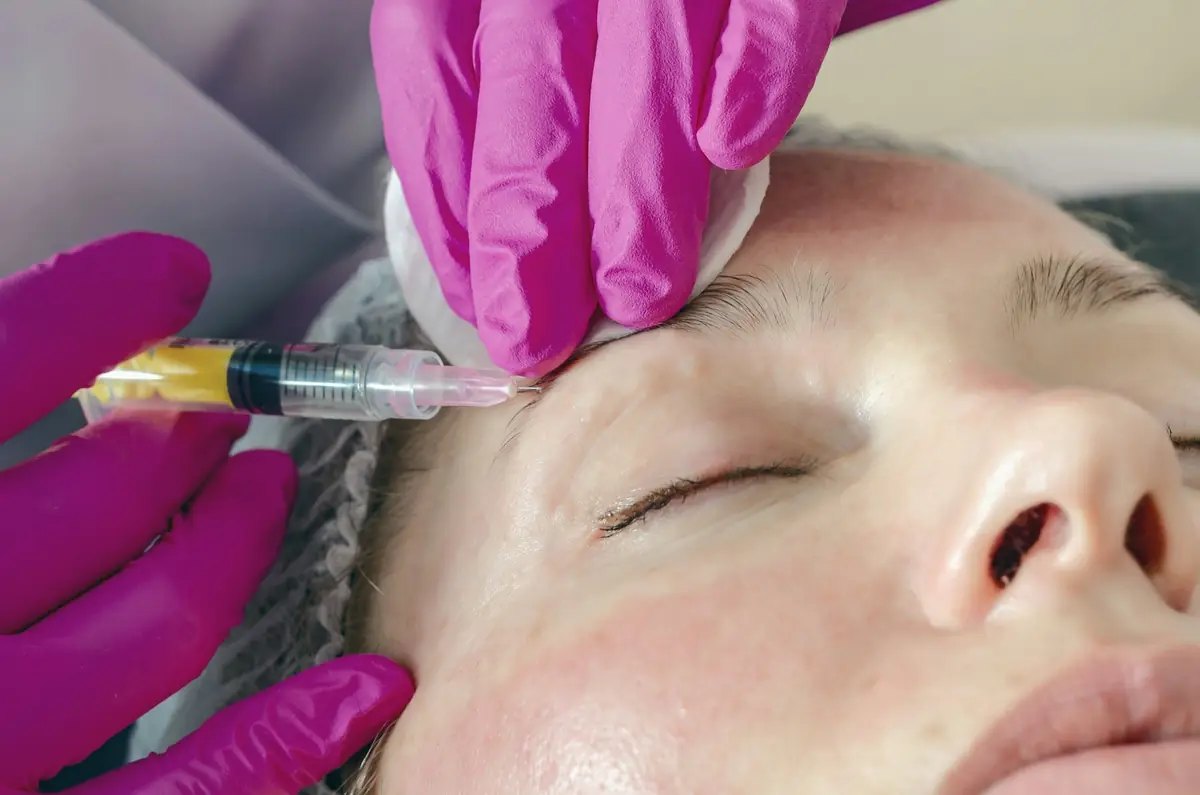
Botulinum toxin
How botulinum toxin works on expression lines, when you see the effect, how long it lasts and which signs to tell the doctor about straight away.
- When you see it
- From day 3 to day 7
- How long it lasts
- 3 to 4 months

Hyaluronic acid filler
What hyaluronic acid filler does, how long it lasts in different areas, what is normal in the days afterward and which signs mean calling the doctor right away.
- When you see it
- Immediately
- How long it lasts
- 4 to 12 months
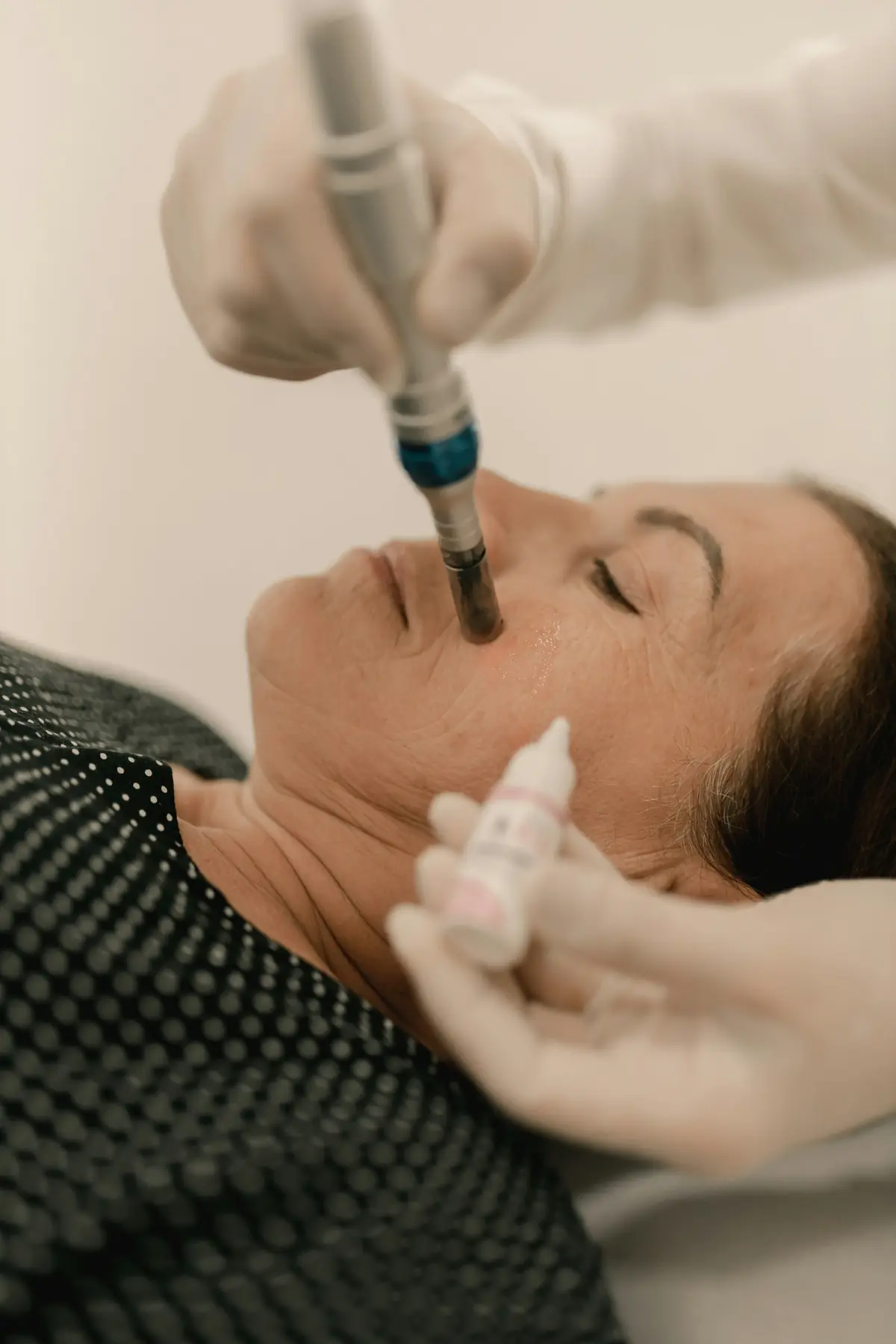
Collagen biostimulators
Poly-L-lactic acid and calcium hydroxyapatite: how they stimulate collagen, when you see the result, how long it lasts and what to do afterward.
- When you see it
- From right away to 3 weeks
- How long it lasts
- From 6 months to 3 years
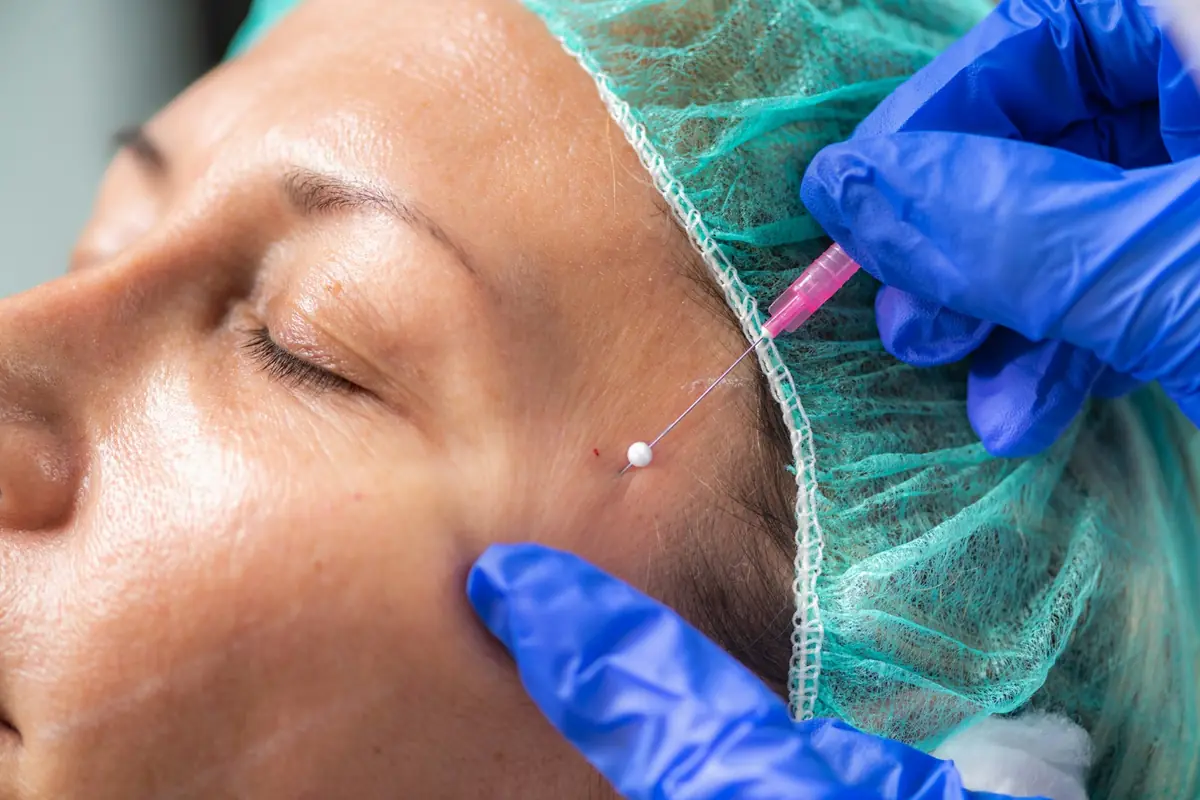
Thread lifts
How resorbable thread lifts work, who they are for, which effects are normal afterward, and which signs should be reported to the doctor.
- When you see it
- Immediately
- Recovery
- Bruising and swelling for a few days