Treatment guide
What to know about hyaluronic acid filler before having it done
What hyaluronic acid filler does, how long it lasts in different areas, what is normal in the days afterward and which signs mean calling the doctor right away.
Whether it is suitable for you, and at what dose, is decided by the doctor after examining you.


What happens, from the visit onward
- The visitThe doctor examines you and decides with you whether and how to do it.
- The sessionSport from the next day
- When you see itImmediately
- How long it lasts4 to 12 months
What it is
It is a gel that the doctor injects under the skin to restore volume: cheekbones, folds, lips, under-eye hollows, chin, hands. Hyaluronic acid is gradually reabsorbed by the body, which is why the effect is not permanent.
How it is done
A session lasts between 15 and 30 minutes, with several injections in the same area. While the gel goes in you may feel a burning sensation. First the doctor asks you about the diseases you have, the medicines and supplements you take and the treatments you have already had.
When you see the result and how long it lasts
You see it immediately. It usually lasts between 4 and 12 months: it depends on the product and the area, so ask the doctor how long it lasts where you have it done. A natural result comes from cautious amounts.
What to do afterwards
The doctor may put ice on you for 15 or 20 minutes. Until the next day, no sport or exertion. Stay away from the sun and tanning beds. Do not touch the area for three days, unless the doctor tells you to massage it.
What is normal in the days afterwards
Redness, swelling, pain when touched and sometimes a bruise. They usually go away in one or two weeks.
Call the doctor straight away if
Pain that increases instead of decreasing, skin that turns white, grey or with purplish patches in the treated area: these can be signs of a vessel blocked by the gel, and they can appear immediately or after a few hours. Call the doctor who treated you right away. If you have blurred vision or cannot see from one eye, go to the emergency room.
What to tell the doctor beforehand
Tell the doctor if you get cold sores, if you take aspirin or other medicines that make the blood thinner, and which vitamins, supplements or herbal remedies you use. Even those you stopped recently.
Who does it and where
Injecting a filler is a medical act: the American Academy of Dermatology recommends never doing it in a beauty salon, at a party or at home. In Europe, fillers fall under the medical device regulation (Regulation (EU) 2017/745, Annex XVI): each package has a name, a manufacturer and a lot number.
Questions to ask at your visit
Bring them with you, written down or on your phone.
- Which product do you use, and can I have the label with the lot number?
- If something goes wrong, is hyaluronidase in the office, the enzyme that dissolves hyaluronic acid?
- How much product do you plan to use, and how long does it last in this area?
- Who do I call in the evening or at the weekend if I have a problem?

The next step
The practices that offer it
Among the published practices, none lists it yet. You can search by city or by doctor's name.
Sources
The sources are scientific societies, literature reviews and the European regulation. They open on the original websites.
- American Academy of Dermatology, Fillers: overview
- American Academy of Dermatology, Fillers: FAQs
- American Academy of Dermatology, Fillers: preparation
- Hyaluronic Acid Dermal Filler-Associated Vascular Occlusion: A Review of Prevention and Management Strategies
- StatPearls, Hyaluronic Acid
- Regolamento (UE) 2017/745 sui dispositivi medici, allegato XVI
Updated on 15 November 2026.
The other guides
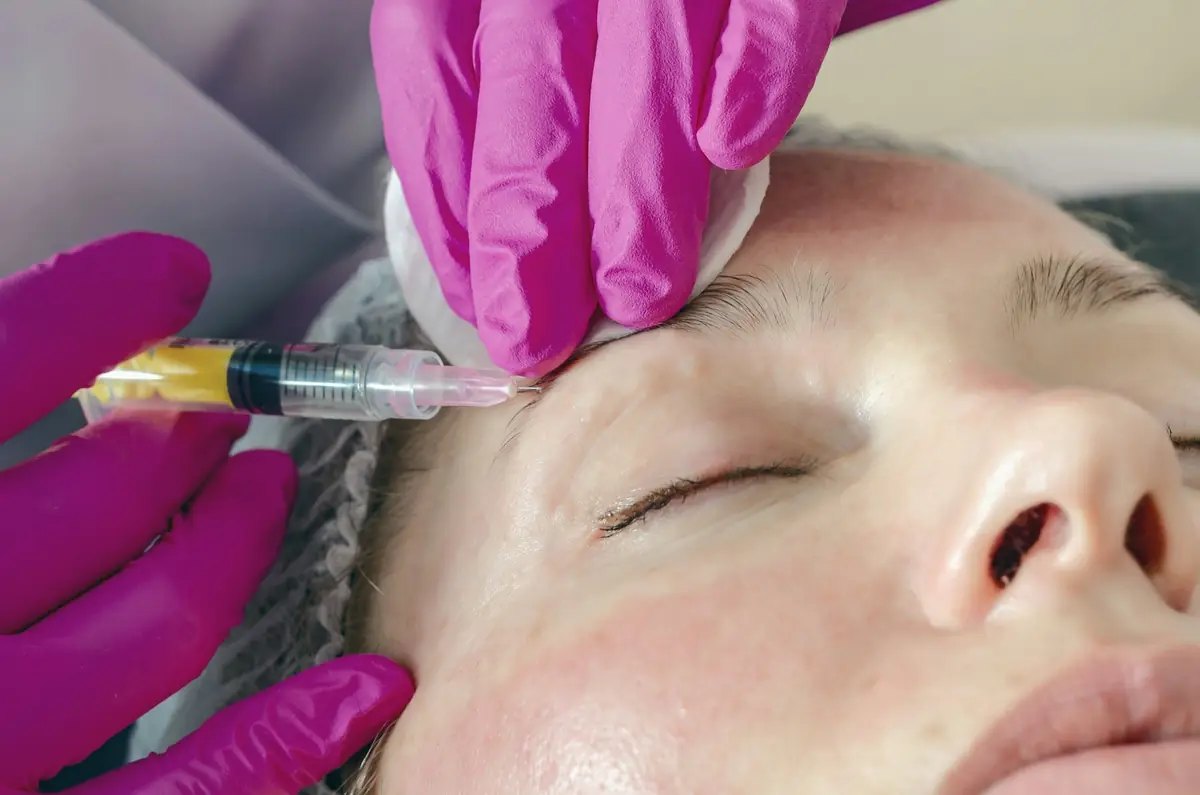
Botulinum toxin
How botulinum toxin works on expression lines, when you see the effect, how long it lasts and which signs to tell the doctor about straight away.
- When you see it
- From day 3 to day 7
- How long it lasts
- 3 to 4 months

Collagen biostimulators
Poly-L-lactic acid and calcium hydroxyapatite: how they stimulate collagen, when you see the result, how long it lasts and what to do afterward.
- When you see it
- From right away to 3 weeks
- How long it lasts
- From 6 months to 3 years

Chemical peel
Superficial, medium, or deep: what changes in healing times, how many sessions are needed, and how to care for your skin after a chemical peel.
- When you see it
- When the skin has healed
- Recovery
- From 1 to 21 days
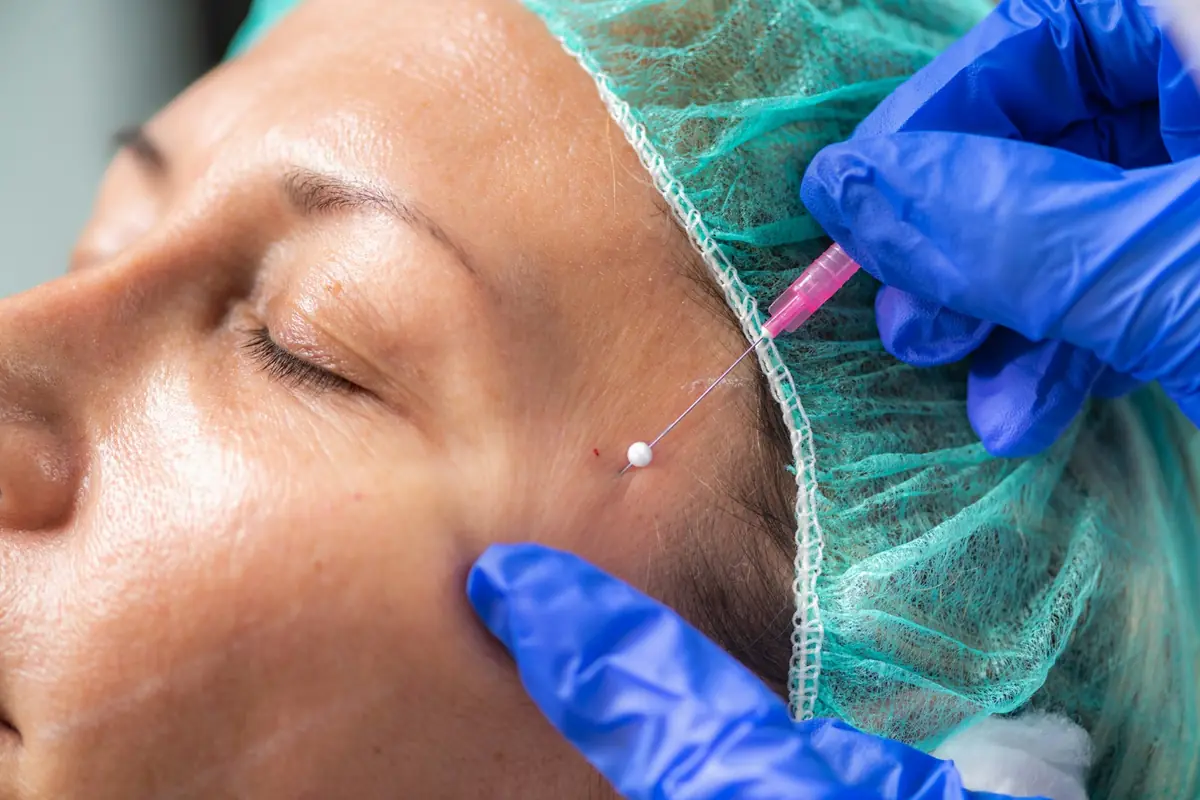
Thread lifts
How resorbable thread lifts work, who they are for, which effects are normal afterward, and which signs should be reported to the doctor.
- When you see it
- Immediately
- Recovery
- Bruising and swelling for a few days