Treatment guide
What to know about cryolipolysis before having it done
How cryolipolysis works on localized fat, when you see the result, which effects are common and which rare complication should be recognized.
Whether it is suitable for you, and at what dose, is decided by the doctor after examining you.
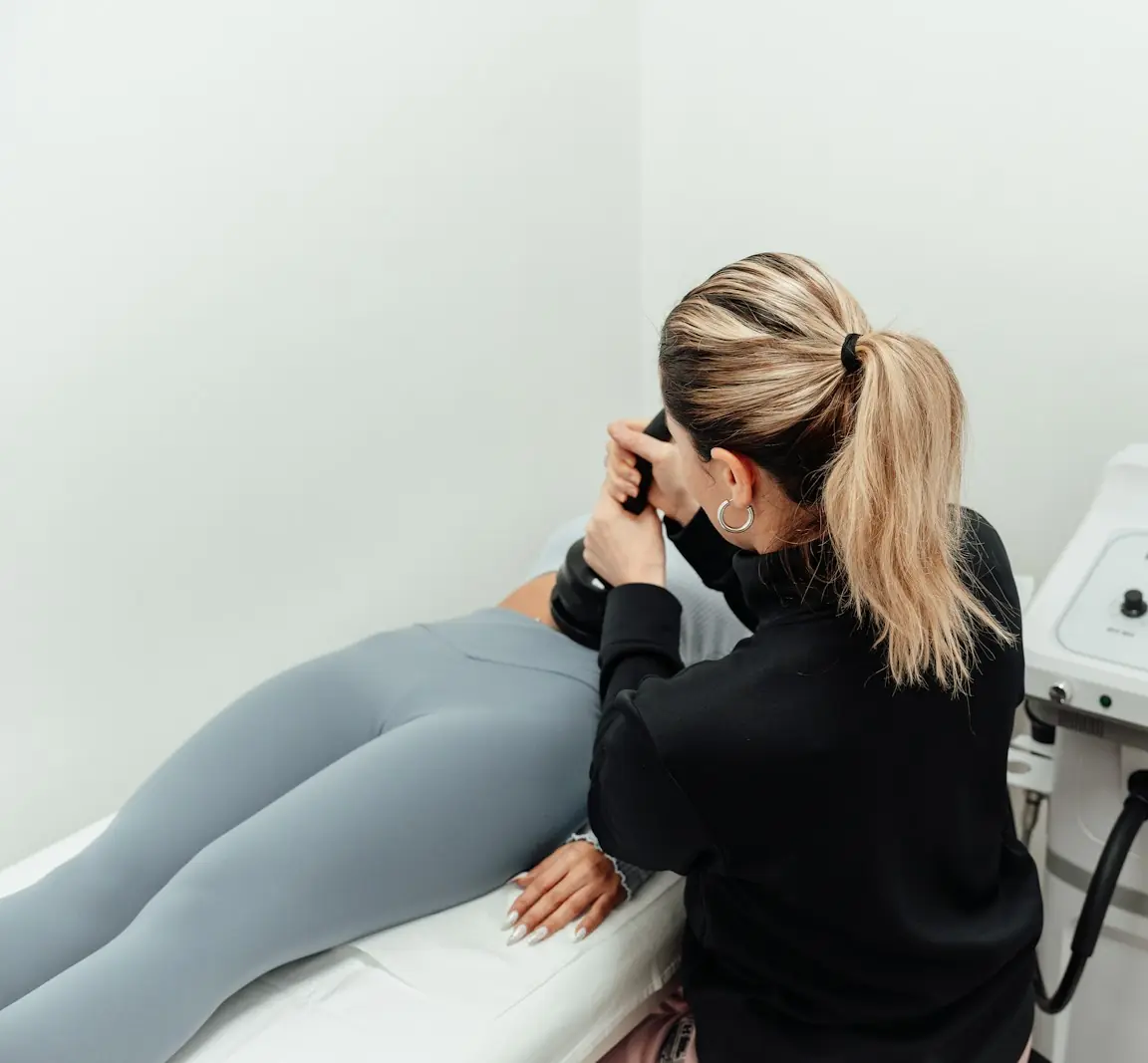

What happens, from the visit onward
- The visitThe doctor examines you and decides with you whether and how to do it.
- The sessionNo wound
- When you see itAfter weeks, measured at 3 months
What it is
It is a needle-free treatment: a device cools an area of localized fat through the skin to reduce its thickness. It is not for losing weight, which comes from diet and exercise: it is for contouring areas that do not shrink.
How it is done
The doctor assesses whether the fat in the area is suitable, then the device is applied to the skin for the set time.
When you see the result and how long it lasts
The result comes slowly. In a review of 30 studies, with 3,158 people, fat reduction was measured three months after treatment.
What is normal in the days afterwards
Redness, numbness or tingling, bruising and swelling in the treated area are common and resolve.
Call the doctor straight away if
Severe pain or pain that does not go away. An area that after 2-4 months becomes fuller and firmer instead of shrinking: this is called paradoxical adipose hyperplasia, it is rare but probably underestimated, and it should be shown to a doctor.
Who does it and where
In Europe, devices that reduce or destroy adipose tissue fall under the medical device regulation (EU Regulation 2017/745, Annex XVI). Ask who operates the device and who is the responsible doctor.
Questions to ask at your visit
Bring them with you, written down or on your phone.
- Is my fat suitable for cryolipolysis, or do I need something else?
- How many sessions and how many areas do you plan?
- What happens if paradoxical hyperplasia occurs?
- Who operates the device, and who is the responsible doctor?

The next step
The practices that offer it
Among the published practices, none lists it yet. You can search by city or by doctor's name.
Sources
The sources are scientific societies, literature reviews and the European regulation. They open on the original websites.
- American Society of Plastic Surgeons, Nonsurgical fat reduction
- Cryolipolysis and associated health outcomes, adverse events and satisfaction: a systematic review and meta-analysis
- Incidence of Paradoxical Adipose Hyperplasia After Cryolipolysis: A Systematic Review and Meta-Analysis
- Regolamento (UE) 2017/745 sui dispositivi medici, allegato XVI
Updated on 15 November 2026.
The other guides
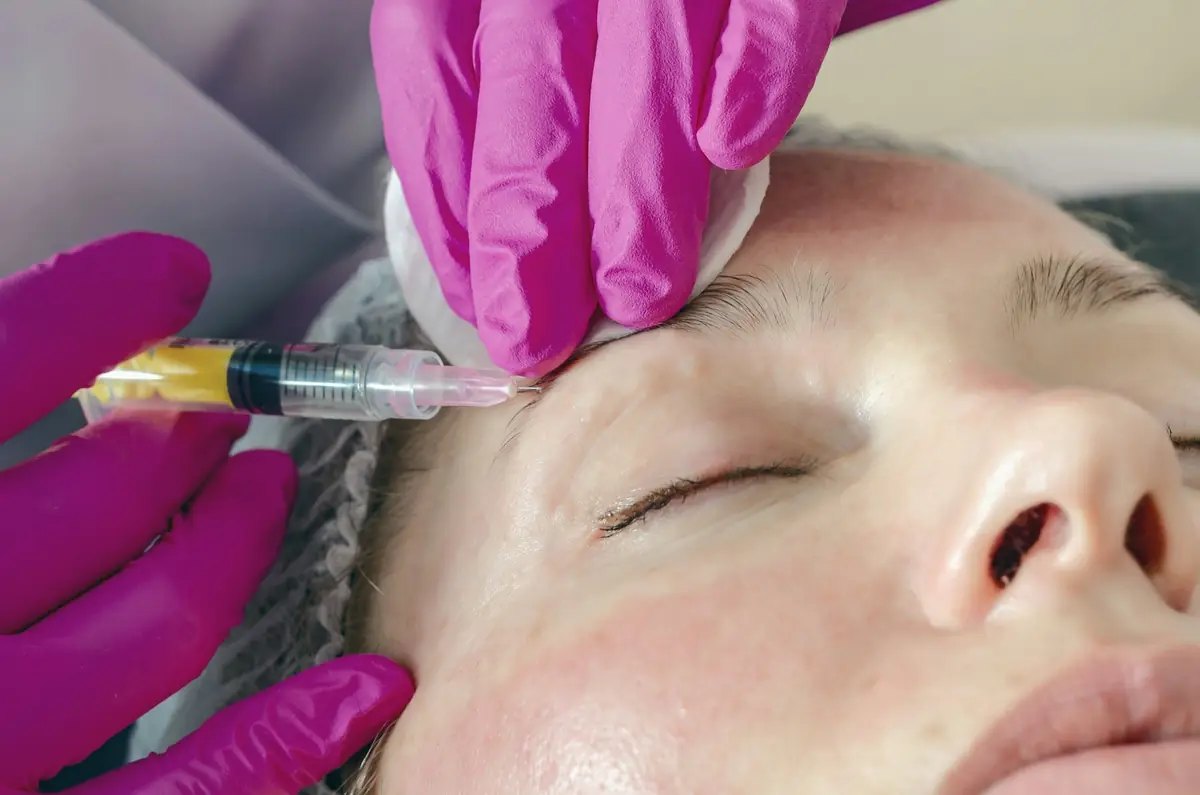
Botulinum toxin
How botulinum toxin works on expression lines, when you see the effect, how long it lasts and which signs to tell the doctor about straight away.
- When you see it
- From day 3 to day 7
- How long it lasts
- 3 to 4 months

Hyaluronic acid filler
What hyaluronic acid filler does, how long it lasts in different areas, what is normal in the days afterward and which signs mean calling the doctor right away.
- When you see it
- Immediately
- How long it lasts
- 4 to 12 months
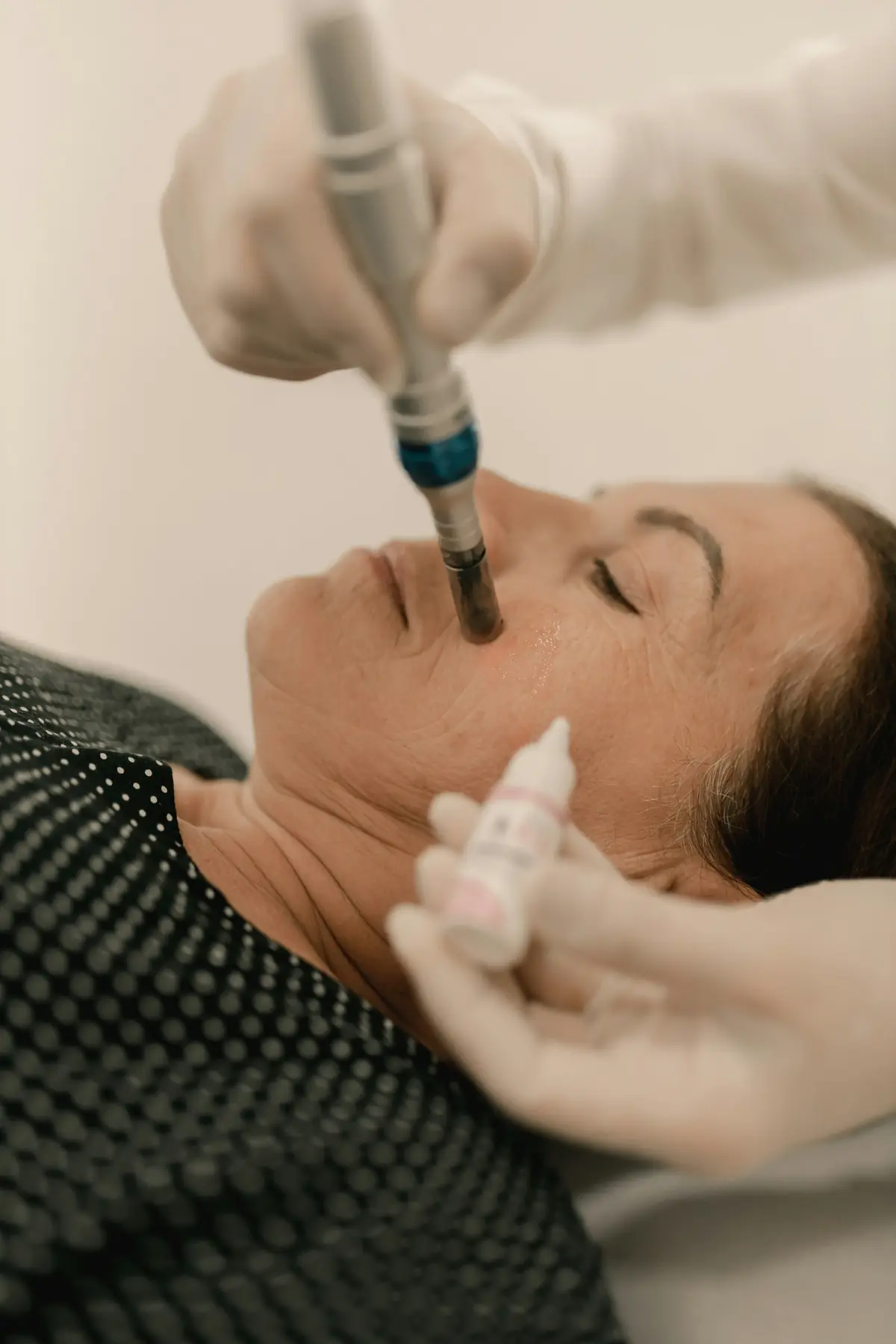
Collagen biostimulators
Poly-L-lactic acid and calcium hydroxyapatite: how they stimulate collagen, when you see the result, how long it lasts and what to do afterward.
- When you see it
- From right away to 3 weeks
- How long it lasts
- From 6 months to 3 years
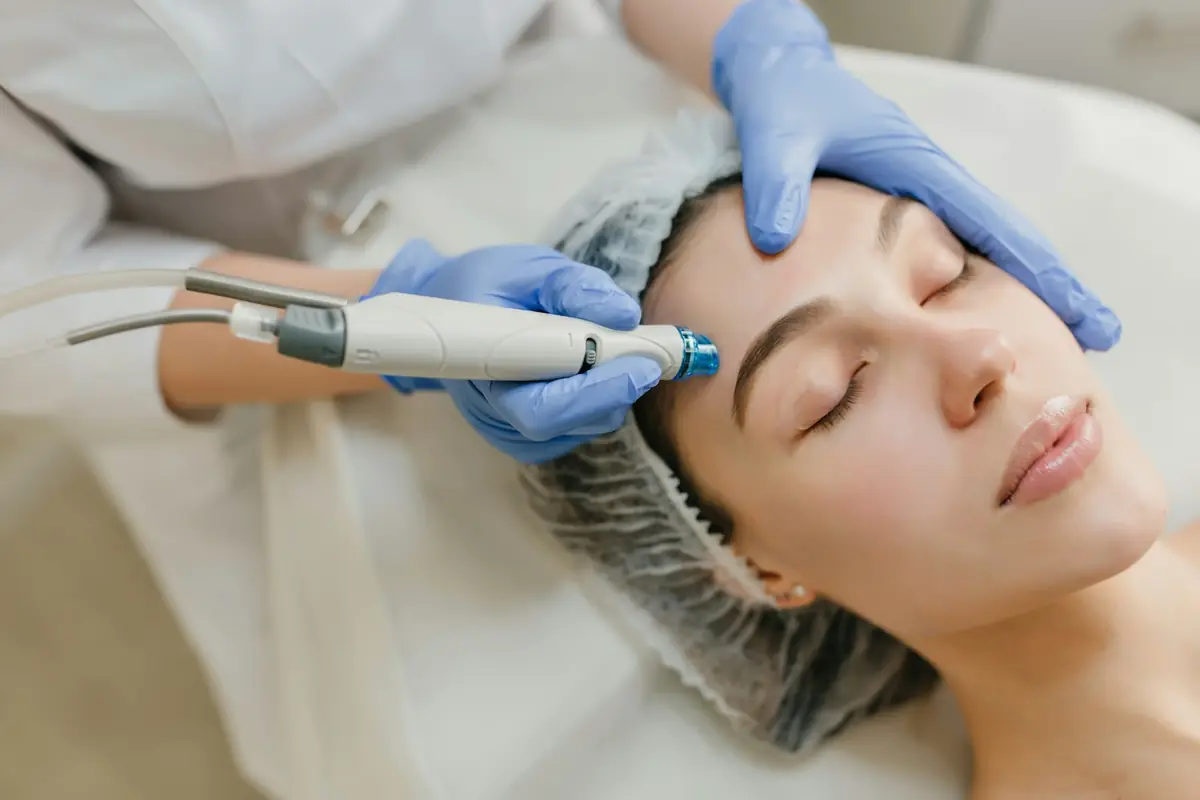
Chemical peel
Superficial, medium, or deep: what changes in healing times, how many sessions are needed, and how to care for your skin after a chemical peel.
- When you see it
- When the skin has healed
- Recovery
- From 1 to 21 days